Gin Rummy
Knock, go gin or undercut the computer in matches to 100, with a new deal every day.
Take the turned-up card to start, or pass.
How to play
- Each player gets ten cards. On your turn, take the top card of the stock or of the discard pile, then discard one. A card taken from the pile can't go straight back.
- Melds are three or four cards of a rank, or three or more in a row in one suit, ace low (A-2-3, but not Q-K-A). Cards outside melds are deadwood: aces count 1, face cards 10, the others their number.
- On the first turn the non-dealer may take the upcard, then the dealer; if both pass, the non-dealer draws from the stock.
- Knock when your deadwood is 10 or less: you lay down your melds, the other player lays off what fits on them, and you score the difference. If they have as little deadwood or less, that's an undercut: they score the difference and 25.
- Gin, all ten cards in melds, scores 25 and the other hand's deadwood, with no laying off. Big gin, all eleven cards after the draw, scores 31 and the deadwood.
- With two cards left in the stock and no knock, the hand is dead and the same dealer deals again. Otherwise the winner of a hand deals the next.
- The first to 100 wins the match and 100 more (200 if the other player scored nothing), and every hand won adds 25. The daily match deals the same cards to everyone that day.
More games
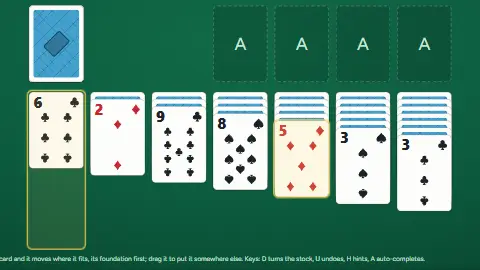 SolitaireKlondike solitaire, turning one card or three, with undo and hints.
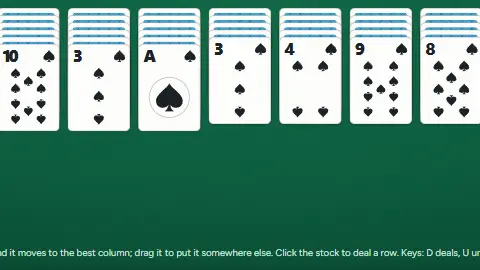 Spider SolitaireBuild runs from king to ace with one, two or four suits.
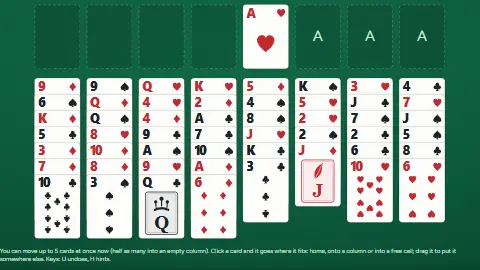 FreeCellThe solitaire with every card face up and four free cells to work with.
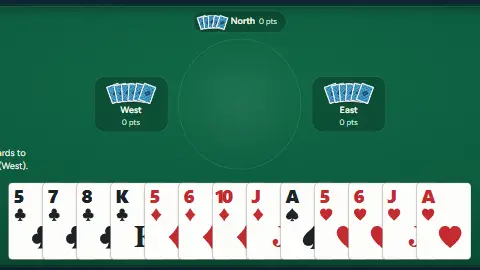 HeartsDodge the hearts and the queen of spades against three computer players.
 SpadesBid and take tricks with a computer partner against two computer opponents.
 CribbagePeg and count your way to 121 against the computer.
 CanastaMeld, freeze the pile and build canastas against the computer in the classic game for two.
 EuchreOrder up, go alone and euchre the other side with a computer partner, first to 10 points.
About Gin Rummy
Gin Rummy is a two-player card game. You play against the computer and try to group your ten cards into melds, with as few leftover cards as possible. When your leftovers are low enough, you knock and score.
A good game means knowing which cards to keep, which to throw and when to end the hand before the other player does.
Melds and deadwood
Each player gets ten cards. On your turn, take the top card of the stock or of the discard pile, then discard one. A card taken from the pile cannot go straight back.
Melds are three or four cards of a rank, or three or more in a row in one suit, with ace low (A-2-3, but not Q-K-A). Cards outside melds are deadwood: aces count 1, face cards 10, the others their number.
Knocking and scoring
Knock when your deadwood is 10 or less. You lay down your melds, the other player lays off what fits on them, and you score the difference. If they have as little deadwood or less, that is an undercut: they score the difference and 25.
Gin, all ten cards in melds, scores 25 and the other hand's deadwood, with no laying off. Big gin, all eleven cards after the draw, scores 31 and the deadwood. The first to 100 wins the match and 100 more, and every hand won adds 25.
Tips
Get rid of high deadwood early. Watch what the other player takes from the discard pile: it shows what they are building. Knock early when you are ahead rather than waiting for gin.
Questions people ask
When can I knock?
After you draw, when the ten cards you keep after your discard have 10 or less in deadwood.
What is an undercut?
When the other player has as little deadwood as you or less after you knock. They score the difference plus 25.
What if nobody knocks?
With two cards left in the stock and no knock, the hand is dead and the same dealer deals again.
Is there a daily game?
Yes. The daily match deals the same cards to everyone that day.